

Introduction
COVID symptoms are important to understand because they help people identify infection early and take proper care. Since the COVID-19 virus has affected millions of people worldwide, knowing its symptoms can protect you and your family. Many people experience mild signs, while others may develop more serious conditions.
Understanding COVID symptoms is not only about awareness but also about safety. Early detection can help prevent the spread of the virus to others. In many cases, people may confuse COVID symptoms with common cold or flu, which makes it even more important to learn the differences.
In addition, COVID symptoms can vary from person to person. Some individuals may feel only mild tiredness, while others may experience fever, cough, or breathing issues. That is why it is essential to stay alert and observe any unusual changes in your health.
Moreover, knowing COVID symptoms helps you take quick action, such as self-isolation, testing, and medical consultation. This reduces the risk of complications and protects vulnerable people around you.
In this article, you will learn what COVID symptoms are, why they are important, how they develop, and what steps you should take if you notice them. You will also explore benefits of awareness, risks, common mistakes, FAQs, and expert advice.
What is COVID Symptoms?
COVID symptoms are the signs and effects that appear when a person is infected with the coronavirus (SARS-CoV-2). These symptoms can range from mild to severe depending on the individual’s health condition.
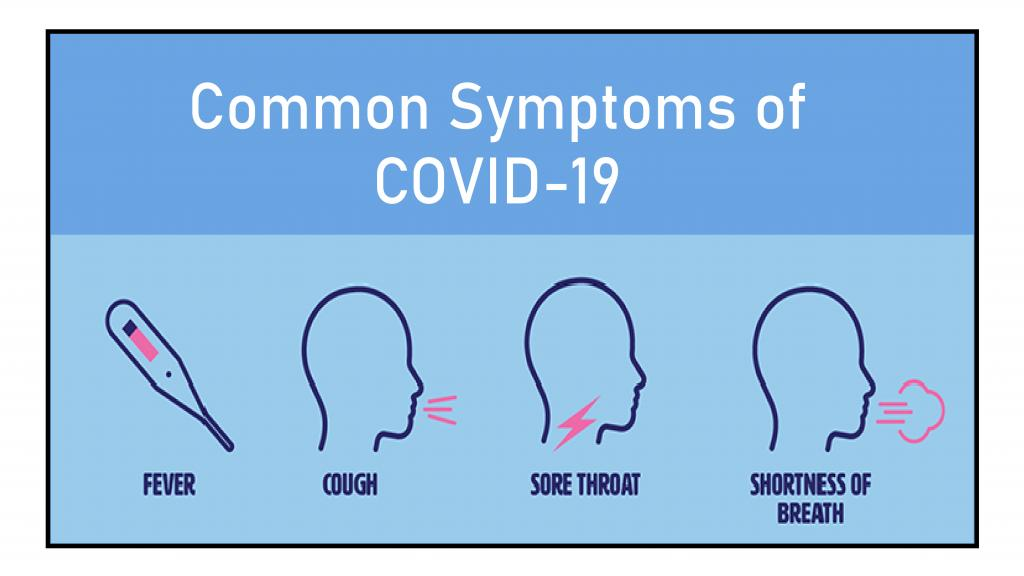
Common COVID symptoms include fever, dry cough, tiredness, sore throat, and loss of taste or smell. In some cases, people may also experience headache, body pain, or breathing difficulties.
These symptoms usually appear a few days after exposure to the virus. However, some people may remain asymptomatic, meaning they do not show any visible signs but can still spread the virus.
Why is COVID Symptoms Important?
COVID symptoms are important because they help in early detection of the virus. Identifying symptoms quickly allows individuals to take necessary precautions and prevent spreading the infection to others.
In addition, understanding COVID symptoms helps people decide when to seek medical help. Early treatment can reduce complications and improve recovery time.
Furthermore, awareness of symptoms protects families and communities. When people recognize the signs early, they can isolate themselves and avoid contact with others.
It also helps healthcare systems manage cases more effectively. Early reporting reduces the burden on hospitals and improves patient care.
Detailed Step-by-Step Guide
1. Observe Your Health Daily
Pay attention to your body and notice any unusual changes such as fever, cough, or fatigue.
2. Check for Common Symptoms
Look for signs like dry cough, sore throat, headache, and loss of taste or smell.
3. Monitor Body Temperature
Use a thermometer to check for fever regularly.
4. Watch for Breathing Issues
If you feel shortness of breath or chest discomfort, take it seriously.
5. Get Tested if Needed
If symptoms appear, take a COVID test for confirmation.
6. Isolate Yourself
Stay away from others to prevent spreading the virus.
7. Stay Hydrated and Rest
Drink plenty of fluids and get enough sleep to support recovery.
8. Follow Medical Advice
Consult a doctor and follow prescribed treatment or guidelines.
9. Wear a Mask
Use a mask to protect others if you are infected or suspect infection.
10. Maintain Hygiene
Wash hands regularly and keep your surroundings clean.
Benefits of COVID Symptoms Awareness
- Helps in early detection of infection
- Prevents spread to family and community
- Encourages timely medical treatment
- Reduces risk of complications
- Improves recovery chances
- Supports public health safety
- Increases personal awareness and responsibility
Disadvantages / Risks
- Symptoms may be confused with flu or cold
- Mild symptoms may go unnoticed
- Delay in testing can spread infection
- Anxiety and stress due to fear of illness
- Asymptomatic cases can still transmit virus
Common Mistakes to Avoid
One common mistake is ignoring mild symptoms. Even small signs can indicate infection.
Another mistake is delaying testing. Early testing is important for proper diagnosis and care.
In addition, many people continue normal activities despite symptoms, which increases spread.
Self-medication without medical advice is also a mistake and can be harmful.
Lastly, not wearing a mask when symptomatic can put others at risk.
FAQs
1. What are the most common COVID symptoms?
Common symptoms include fever, cough, fatigue, and loss of taste or smell.
2. Can COVID symptoms be mild?
Yes, many people experience mild symptoms and recover at home.
3. How long do COVID symptoms last?
Symptoms usually last from a few days to two weeks depending on severity.
4. Can someone have COVID without symptoms?
Yes, asymptomatic cases are possible but still contagious.
5. When should I see a doctor?
Seek medical help if you have breathing difficulties or persistent fever.
6. Are COVID symptoms similar to flu?
Yes, many symptoms overlap, which is why testing is important.
Expert Tips & Bonus Points
Experts recommend staying alert to even mild symptoms. Early action can prevent complications and spread.
Another tip is to maintain good immunity through healthy food, hydration, and rest.
In addition, always keep a COVID test kit or access to testing centers if symptoms appear.
Also, avoid panic. Most cases are mild and recover with proper care.
Finally, follow official health guidelines and updates for accurate information.
Conclusion
COVID symptoms play a very important role in identifying infection early and protecting public health. By understanding the signs such as fever, cough, fatigue, and loss of taste or smell, individuals can take quick action and reduce the spread of the virus.
Awareness is the first step toward safety. When people recognize COVID symptoms early, they can isolate themselves, get tested, and follow medical advice. This not only helps in faster recovery but also protects family members and the community.
It is also important to remember that symptoms can vary from person to person. Some may experience mild signs, while others may face more serious health issues. Therefore, careful observation of any changes in health is essential.
