
Introduction
Headache causes are something almost everyone experiences at some point in life. A headache can range from mild discomfort to severe pain that affects daily activities. Understanding headache causes is important because it helps you manage pain better and prevent it from happening again.
Many people ignore headaches and assume they are normal, but they can be linked to lifestyle habits, stress, or even medical conditions. Identifying the root headache causes can make a big difference in your health and comfort.
In addition, headaches can be triggered by simple daily factors such as lack of sleep, dehydration, or too much screen time. Sometimes, emotional stress or skipping meals can also lead to pain. Because there are many possible headache causes, it is important to observe your lifestyle carefully.
Moreover, not all headaches are the same. Some are caused by tension, while others may be due to sinus issues or migraines. Knowing the type and cause helps in choosing the right treatment or prevention method.
In this article, you will learn what headache causes are, why they matter, how they develop, and what you can do to reduce them. You will also explore benefits of awareness, risks, mistakes, FAQs, and expert tips.
What is Headache Causes?
Headache causes refer to the different factors or triggers that lead to pain in the head or surrounding areas. These causes can be physical, emotional, or environmental.
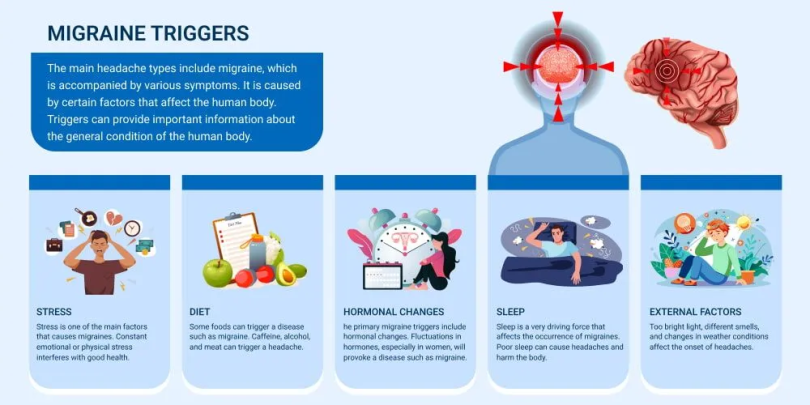
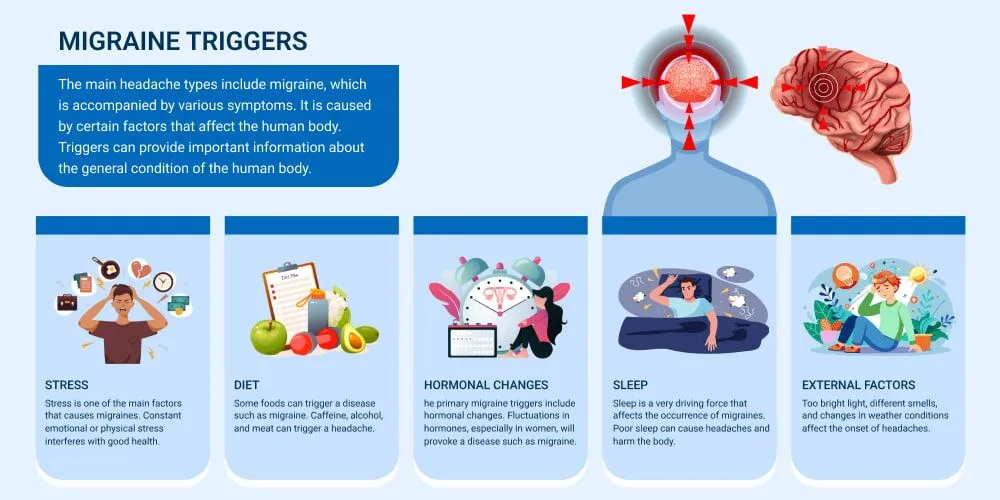
Common headache causes include stress, dehydration, poor sleep, eye strain, and skipping meals. In some cases, medical conditions like sinus infections or high blood pressure can also be responsible.
Headaches can occur in different parts of the head, such as the forehead, temples, or back of the head, depending on the cause.
Why is Headache Causes Important?
Understanding headache causes is important because it helps people manage pain more effectively. When you know what triggers your headache, you can take steps to avoid it.
In addition, identifying headache causes can improve your quality of life. Frequent headaches can affect work, studies, and daily activities.
Furthermore, early awareness helps in detecting serious health issues. Some headaches may be signs of underlying medical conditions that need attention.
It also helps in choosing the right treatment. Instead of relying on painkillers, you can focus on long-term solutions.
Detailed Step-by-Step Guide
1. Identify Your Triggers
Pay attention to when your headaches occur and what you were doing before they started.
2. Check Your Hydration Level
Dehydration is a common headache cause. Drink enough water throughout the day.
3. Monitor Your Sleep Pattern
Lack of sleep or irregular sleep can trigger headaches.
4. Reduce Screen Time
Too much screen exposure can strain your eyes and lead to pain.
5. Manage Stress Levels
Stress is a major headache cause. Practice relaxation techniques like deep breathing.
6. Eat Regular Meals
Skipping meals can lower blood sugar and trigger headaches.
7. Improve Posture
Poor posture, especially while sitting, can cause tension headaches.
8. Avoid Excess Caffeine
Too much caffeine or sudden withdrawal can lead to headaches.
9. Exercise Regularly
Light physical activity helps improve blood flow and reduce stress.
10. Seek Medical Advice
If headaches are frequent or severe, consult a doctor for proper diagnosis.
Benefits of Understanding Headache Causes
- Helps prevent recurring pain
- Improves daily productivity
- Reduces dependence on painkillers
- Supports better lifestyle choices
- Helps identify serious health issues early
- Improves mental and physical well-being
- Encourages healthier habits
Disadvantages / Risks
- Some causes may be difficult to identify
- Ignoring symptoms can worsen conditions
- Overuse of painkillers may cause side effects
- Stress-related headaches may return frequently
- Misdiagnosis without medical help is possible
Common Mistakes to Avoid
One common mistake is ignoring mild headaches. Even small pain can indicate a trigger that needs attention.
Another mistake is overusing painkillers. This can lead to dependency and side effects.
In addition, many people do not track their habits. Without tracking, it becomes hard to identify headache causes.
Skipping meals or water is also a mistake that increases headache risk.
Lastly, ignoring stress management can make headaches more frequent.
FAQs
1. What are the most common headache causes?
Common causes include stress, dehydration, lack of sleep, and eye strain.
2. Can stress cause headaches?
Yes, stress is one of the biggest triggers of tension headaches.
3. Does lack of water cause headaches?
Yes, dehydration is a frequent cause of mild to severe headaches.
4. Can screen time lead to headaches?
Yes, too much screen exposure can strain eyes and trigger pain.
5. When should I worry about headaches?
If headaches are frequent, severe, or unusual, consult a doctor.
6. Can skipping meals cause headaches?
Yes, low blood sugar from missed meals can trigger headaches.
Expert Tips & Bonus Points
Experts suggest keeping a headache diary to track triggers and patterns. This helps identify specific headache causes over time.
Another tip is to maintain a balanced lifestyle with proper sleep, hydration, and nutrition.
In addition, regular exercise can reduce stress and improve overall health.
Also, limit screen exposure and take breaks during work or study.
Finally, avoid self-medication and seek professional advice when needed.
Conclusion
Headache causes are often linked to simple lifestyle habits, but they can also indicate deeper health issues. By understanding what triggers your headaches, you can take control of your health and reduce pain effectively.
The most common headache causes include stress, dehydration, poor sleep, and eye strain. Small changes in daily habits can significantly reduce the frequency and intensity of headaches.
It is also important to avoid common mistakes such as ignoring symptoms or overusing painkillers. Instead, focus on long-term solutions like healthy eating, proper sleep, and stress management.